 Verified fit
Rider Gearvia MotorcycleID
Full Face Helmet
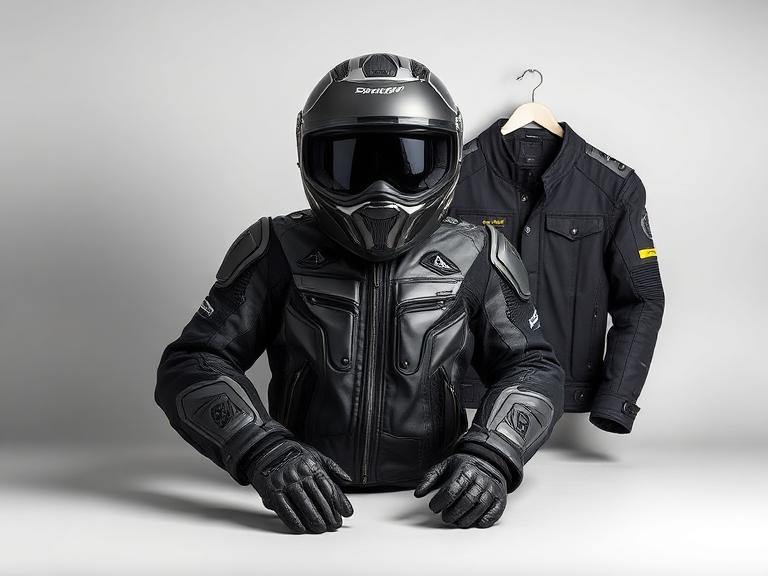
DOT and ECE certified helmet with Pinlock-ready visor.
$329.00View
Gear & safety
Helmet, jacket, gloves, boots, trousers — in that order of priority if you are buying piece by piece. The certification labels tell you more about protection than the brand or the price does.
| Helmets | DOT FMVSS 218 (US), ECE 22.06 (Europe), plus optional SHARP and SNELL ratings |
|---|---|
| Jackets & trousers | EN 17092 classes AAA, AA and A — AAA is the highest abrasion class |
| Armour inserts | EN 1621-1 (limb) and EN 1621-2 (back), Level 1 and Level 2 |
| Gloves | EN 13594, Level 1 and Level 2 |
| Boots | EN 13634, rated for abrasion, impact cut and ankle support |
Verified fitDOT and ECE certified helmet with Pinlock-ready visor.
Verified fitCE-armoured textile jacket with removable thermal liner.
Verified fitPerforated leather gloves with knuckle armour and touchscreen tips.
Motorcycle helmets: how to choose and compare
motorcycle helmets reviews
Smart helmets and helmet comms explained
smart helmets for motorcyclists
Advanced protective gear: armour, airbags and back protectors
advanced protective gear
Motorcycle safety technology, explained plainly
motorcycle safety technology
Eco-friendly motorcycle gear and parts
eco-friendly motorcycle gear
Motorcycle camping accessories and luggage setup
motorcycle camping accessories
Motorcycle disc locks, alarms and anti-theft layers
motorcycle disc lock
Custom motorcycles and personalisation parts
custom motorcycles
DIY motorcycle upgrades you can fit in an afternoon
DIY motorcycle upgrades
A properly fitted certified helmet, then gloves, then a certified jacket, then boots and trousers. Hands and head take the first impact in most low-speed crashes.
Look for the certification label inside: EN 17092 for garments, EN 1621 for armour, EN 13594 for gloves, EN 13634 for boots. Marketing terms like 'reinforced' mean nothing on their own.
Replace a helmet after any impact and follow the manufacturer's age guidance. Garments last until the abrasion layer or stitching is compromised; armour inserts harden and should be checked periodically.