 Verified fit
Rider Gearvia MotorcycleID
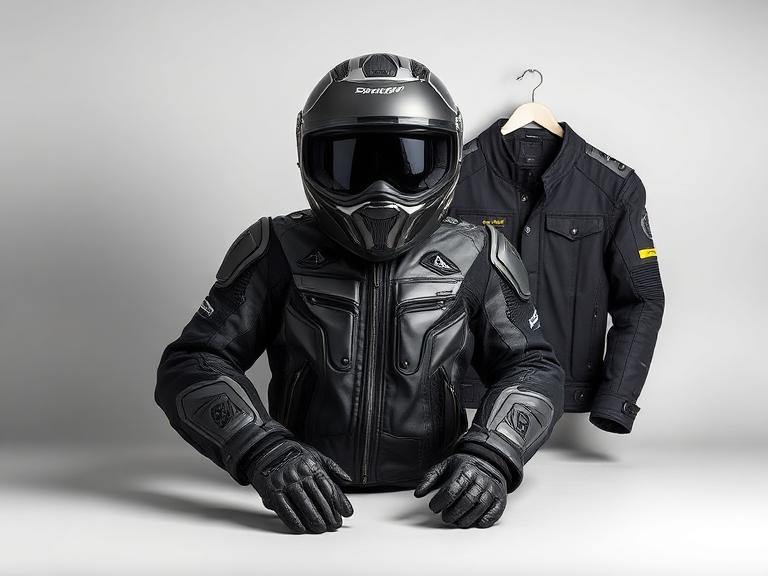
Full Face Helmet
DOT and ECE certified helmet with Pinlock-ready visor.
$329.00View
Gear & safety
Helmet choice comes down to shell shape versus your head shape, the certification it carries, and how much noise and airflow you can live with. Everything else is preference.
| Minimum legal | DOT FMVSS 218 in the US, ECE 22.06 in Europe and many other markets |
|---|---|
| Independent ratings | SHARP (UK, 1-5 stars) and SNELL M2020 test beyond the legal minimum |
| Visor | Pinlock-ready visors accept an anti-fog insert; check the pin type |
Verified fitDOT and ECE certified helmet with Pinlock-ready visor.
Verified fitCE-armoured textile jacket with removable thermal liner.
Verified fitPerforated leather gloves with knuckle armour and touchscreen tips.
Motorcycle riding gear: what to buy first
motorcycle riding gear
Smart helmets and helmet comms explained
smart helmets for motorcyclists
Advanced protective gear: armour, airbags and back protectors
advanced protective gear
Motorcycle safety technology, explained plainly
motorcycle safety technology
Eco-friendly motorcycle gear and parts
eco-friendly motorcycle gear
Motorcycle camping accessories and luggage setup
motorcycle camping accessories
Motorcycle disc locks, alarms and anti-theft layers
motorcycle disc lock
Custom motorcycles and personalisation parts
custom motorcycles
DIY motorcycle upgrades you can fit in an afternoon
DIY motorcycle upgrades
Full face gives the most coverage and the least noise. Modular adds convenience at a small weight and complexity cost. Open face leaves your chin and jaw exposed.
Not automatically. Price buys weight reduction, aerodynamics, ventilation, quietness and finish. Certification and correct fit determine protection.
After any impact, if the shell is cracked, if the liner is compressed, or once it reaches the age the manufacturer specifies — typically around five years of regular use.