 Verified fit
Chain & Sprocketsvia MotorcycleID
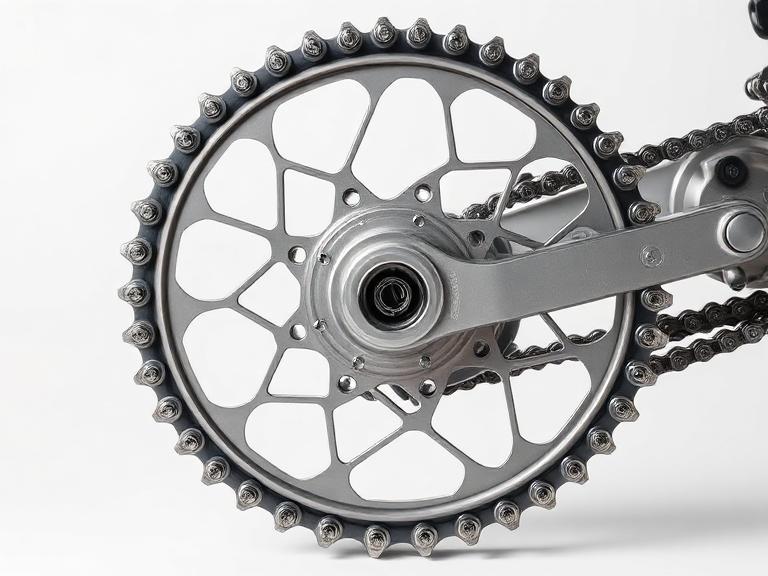
X-Ring Chain and Sprocket Kit
Sealed X-ring chain with hardened front and rear sprockets.
$164.00View
Buying guide · 1970
A commuter earns its keep in traffic: light steering, a comfortable riding position, weather protection you can live with and consumables cheap enough that a daily 40-mile round trip does not hurt. These are the models that survive that duty cycle without constant expense.
Every pick links to its fitment reference: chain spec, pad codes, tyre sizes and the parts that fit.
| Bike | Type | Years | Why it makes the list | Own one? |
|---|---|---|---|---|
| Yamaha MT-07 | Naked | 2014–2026 | Torquey twin that pulls cleanly from low revs, so town riding needs far fewer gear changes. | Find parts that fit → |
| Honda CB500F | Naked | 2013–2026 | Upright, light and famously undemanding to service — the default all-weather commuter. | Find parts that fit → |
| Kawasaki Z650 | Naked | 2017–2026 | Comfortable naked twin that stays relaxed when the commute stretches onto the motorway. | Find parts that fit → |
| Suzuki SV650 | Naked | 1999–2026 | Cheap to buy used and cheap to keep running, with parts on every shelf. | Find parts that fit → |
| Honda PCX 150 | Scooter | 2012–2026 | Automatic, weather-shielded and the lowest running cost of anything here for short urban trips. | Find parts that fit → |
| Yamaha XMAX 300 | Scooter | 2017–2026 | Big-wheel scooter with underseat storage and enough motorway pace for a mixed commute. | Find parts that fit → |
| Royal Enfield Hunter 350 | Naked | 2022–2026 | Small, light roadster you can service on the driveway with basic tools. | Find parts that fit → |
| KTM 390 Duke | Naked | 2013–2026 | Sharpest steering in traffic if you want the commute to be entertaining. | Find parts that fit → |
Part-cost ranges and workshop labour rates for 16 countries are in our price guides.
The category commuter motorcycles owners buy from first.
74 models with fitment references and matched parts.
Honda CBR600RR
2003–2026
Honda CBR1000RR
2004–2026
Honda CB500F
2013–2026
Honda CB650R
2019–2026
Honda PCX 150
2012–2026
Yamaha YZF-R1
1998–2026
Yamaha YZF-R6
1999–2026
Yamaha YZF-R3
2015–2026
Yamaha MT-07
2014–2026
Yamaha MT-09
2013–2026
Yamaha XMAX 300
2017–2026
Suzuki GSX-R600
1997–2026
Suzuki GSX-R750
1996–2026
Suzuki GSX-R1000
2001–2026
Suzuki SV650
1999–2026
Suzuki GSX-S750
2015–2026
Suzuki Hayabusa
1999–2026
Suzuki Burgman 400
2003–2026
Kawasaki Ninja 400
2018–2026
Kawasaki Ninja 650
2017–2026
Kawasaki Ninja ZX-6R
1995–2026
Kawasaki Ninja ZX-10R
2004–2026
Kawasaki Z900
2017–2026
Kawasaki Z650
2017–2026
BMW S 1000 RR
2009–2026
BMW F 900 R
2020–2026
BMW R nineT
2014–2026
BMW G 310 R
2016–2026
Ducati Panigale V4
2018–2026
Ducati Panigale V2
2020–2026
Ducati Monster 821
2014–2026
Ducati Monster 937
2021–2026
Ducati Streetfighter V4
2020–2026
KTM 390 Duke
2013–2026
KTM 790 Duke
2018–2026
KTM 890 Duke R
2020–2026
Best beginner motorcycles
best beginner motorcycles
Best sport motorcycles
sport motorcycles
Best cruiser motorcycles
best cruiser motorcycles
Best touring motorcycles
best touring motorcycles
Best adventure motorcycles
adventure motorcycles
Best naked motorcycles
best naked motorcycles
Best electric motorcycles
electric motorcycles
Best dirt bikes and enduro machines
best dirt bikes
Best motorcycles on a budget
best motorcycles on a budget
300-700cc covers almost every commute. Below 300cc struggles on fast dual carriageways; above 700cc adds weight and consumable cost without helping in traffic.
A scooter wins on convenience, storage and weather protection for trips under about 15 miles. A geared bike is more comfortable and more stable once motorway speeds are involved.
Chain cleaning and adjustment every few hundred miles, brake pads far more often than a weekend bike, and tyre pressure checks weekly — commuting mileage accumulates fast.